
Dental Implants
Dental implants are the gold standard for replacing missing teeth. They are designed to provide a permanent foundation for replacement teeth that look, feel and function like natural teeth. The person who has lost teeth regains the ability to eat virtually anything and can smile with confidence, knowing that teeth appear natural and that facial contours will be preserved. The implants are tiny titanium posts which are placed into the jawbone where teeth are missing. The bone bonds with the titanium, creating a strong foundation for artificial teeth. In addition, dental implants help preserve facial structure, preventing the bone deterioration which occurs when teeth are missing.
Dental implants are changing the way people live! With them, people are rediscovering the comfort and confidence to eat, speak, laugh and enjoy life.
Why Choose Dental Implants?
Unlike bridges or dentures, dental implants replace both the tooth and its root, giving you a stable, long-lasting result that functions just like a natural tooth. Because they integrate directly with your jawbone, implants never slip or click, require no adhesives, and do not rely on—or compromise—the healthy teeth around them. With proper care, they can last a lifetime, making them one of the most reliable and worthwhile investments in your smile and quality of life.
Evaluation for Dental Implants
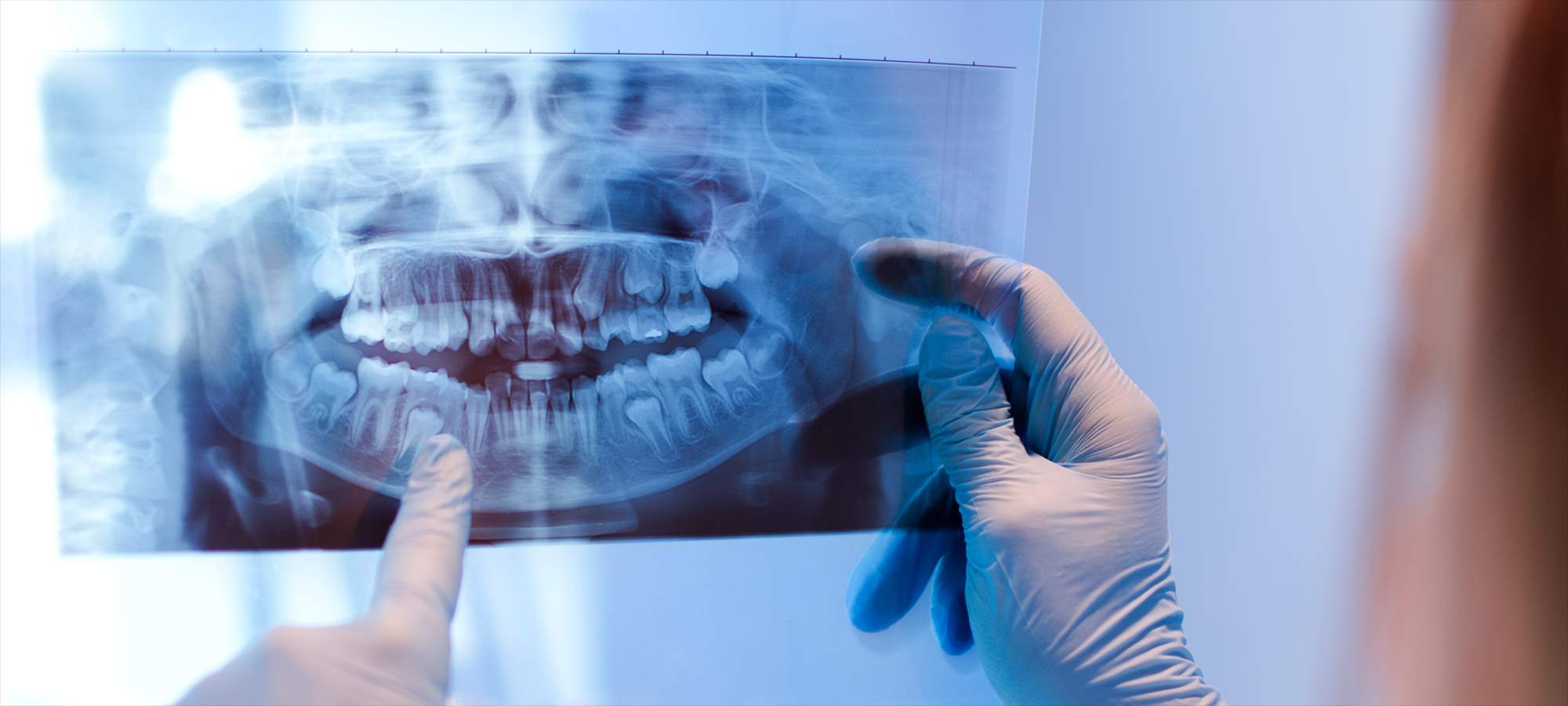
If, like many others, you feel implant dentistry is the choice for you, we ask that you undergo a dental/radiographic examination and health history. During these consultation visits, your specific needs and considerations will be addressed by either Dr. Sokol or by an Oral and Maxillofacial Surgeon referred by our practice. Yourth root substitutes. They are surgically placed into the jawbone. Small posts are then attached to the implant, which protrude through the gums. These posts provide stable anchors for artificial replacement teeth.
For most patients, the placement of dental implants involves two surgical procedures. First, implants are placed within your jawbone. For the first three to six months following surgery, the implants are beneath the surface of the gums, gradually bonding with the jawbone. You should be able to wear temporary dentures and eat a soft diet during this time. At the same time, your restorative dentist designs the final bridgework or denture, which will ultimately improve both function and aesthetics.
After the implant has bonded to the jawbone, the second phase begins. The surgeon will uncover the implants and attach a small healing collar. Dr. Sokol can then start making your new teeth. An impression must be taken. Then posts or attachments can be connected to the implants. The replacement teeth are then made over the posts or attachments. The entire procedure usually takes six to eight months. Most patients do not experience any disruption in their daily life.
Guided Implant Surgery & Surgical Guides
At our practice, we use advanced 3D imaging and computer-guided technology to plan every implant case with precision. Using a CBCT scan and digital impressions of your mouth, we create a virtual model of your jaw that lets us map the exact position, angle, and depth of each implant before your procedure ever begins.
From this plan, a custom surgical guide is fabricated—a precise template that fits over your teeth or gums and directs the placement of each implant to the ideal location determined during planning. This guided approach delivers real benefits for our patients:
- Greater accuracy: implants are placed in the optimal position for strength, function, and a natural-looking result.
- Less invasive treatment: guided surgery often allows a more conservative, flapless technique, which can mean less discomfort and faster healing.
- Improved safety: precise planning helps us avoid nerves, sinuses, and adjacent tooth roots.
- Predictable outcomes: the final restoration is planned from the start, ensuring your new teeth fit and function beautifully.
Are You a Candidate for Dental Implants?
If you are considering implants, your mouth must be examined thoroughly and your medical and dental history reviewed. Most patients in good general health with adequate jawbone are excellent candidates. If your mouth is not ideal for implants, we can discuss ways to improve the outcome—such as —to rebuild a strong foundation before placement.
Ready to restore your smile? Schedule a consultation